
Angerboda: Minner, myter, mycelium – et forsøk på å forstå en skriveprosess
DOI:
https://doi.org/10.7146/peri.v23i41.163918Nøgleord:
dramatisk skriveproces, fragmentarisk dramaturgi, intuitiv praksis, kunstnerisk refleksionResumé
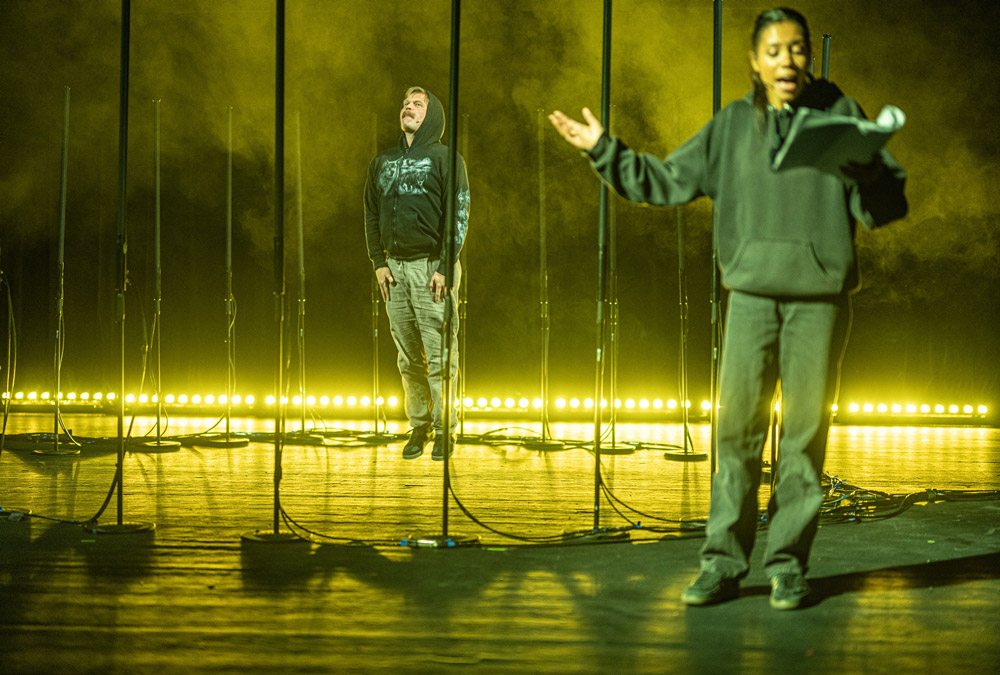
Denne artikel undersøger, hvordan fragmenter af minder bliver til dramatik i skriveprocessen omkring Angerboda. I artiklen fokuseres på intuition, drømme og ulogiske elementer i skriveprocessen, og hvordan dramaturgisk klarhed guider læseren gennem teksten.
This article explores how memory fragments are transformed into drama in the production of Angerboda. The article focuses on intuition, dreams, and illogical elements in the writing process, and how dramaturgical clarity is maintained to guide the reader through the text.
Referencer
Bogart, Anne. R. (2001. A Director Prepares: Seven Essays on Art and Theatre. New York: Routledge.
Campbell, Joseph. 1949. The Hero with a Thousand Faces. Priceton, NJ: Princeton University Press.
Fugli, Ida. 2024. Angerboda. Upublisert manus, Dramatikkfestivalen.
Haraway, Donna J. 2016. Staying with the Trouble: Making Kin in the Chthulucene. Durham, NC: Duke University Press.
Pollock, Della. 1998. “Performative Writing”. In The Ends of Performance, edited by Peggy Phelan and Jill Lane, 73-103. New York, NYU Press.
Tsing, Anna Loewenhaupt 2015. The Mushroom at the End of the World: On the Possibility of Life in Capitalist Ruins. Princeton, NJ: Princeton University Press.
Alle sitater fra rollefigurer i dette essayet er hentet fra min scenetekst Angerboda.
I arbeidet med dette essayet har jeg benyttet AI-verktøy (ChatGPT og NotebookLM) som støtte for språk, formuleringer og redigering. Alle faglige vurderinger, analytiske refleksjoner og kreative valg er gjort av meg.
Downloads
Publiceret
Citation/Eksport
Nummer
Sektion
Licens
Copyright (c) 2026 Ida Fugli

Dette værk er under følgende licens Creative Commons Navngivelse –Ikke-kommerciel (by-nc).
Det følgende vedrører alle Peripeti-udgivelser fra 2024, nr. 39, og senere:
Peripeti er et Diamond Open Access-tidsskrift, der giver direkte open acces til publiceret indhold ud fra princippet om, at det at gøre forskning frit tilgængelig for offentligheden understøtter en større global udveksling af viden.
Forfattere skal ikke betale for indsendelse, redigering eller offentliggørelse af artikler.
Forfattere, der bidrager til Peripeti, bevarer ophavsretten til deres artikler.
Forfattere accepterer at udgive artikler under en Creative Commons CC-BY-NC 4.0-licens. Vilkårene for denne licens tillader brugere frit at kopiere og videredistribuere materialet i ethvert medie eller format og at tilpasse, transformere og bygge videre på materialet, så længe der gives passende kreditering, et link til licensen gives, og eventuelle ændringer angives. Brugere må ikke dele eller tilpasse materialet til kommercielle formål uden samtykke fra licensgiveren. Brugen af licensen må ikke på nogen måde antyde, at licensgiveren støtter tredjeparten eller dennes brug. Licensen kan ikke tilbagekaldes.
Forfattere opfordres til at lægge deres artikler ud på personlige og/eller institutionelle hjemmesider for at sikre endnu større offentlig adgang efter udgivelsen. Forfattere har ret til at arkivere deres artikler i fondes og offentlige institutioners arkiver, men Peripeti anmoder om, at forfattere bruger et direkte link til den publicerede artikel på tidsskriftets hjemmeside, når det er muligt, da Peripeti som en ikke-kommerciel, offentligt finansieret udgiver er afhængig af niveauet af brugeraktivitet på tidsskriftets hjemmeside.
Vedrørende tidligere udgivelser, indtil 2024, herunder nr. 38:
Ophavsretten deles mellem Peripeti og forfatteren/forfatterne. Tidsskriftet er et open access-tidsskrift, der giver direkte adgang til alt indhold baseret på princippet om, at det at gøre forskning frit tilgængelig for offentligheden understøtter en større global udveksling af viden. Brugere kan frit kopiere og dele materiale i ethvert medie eller format, så længe der gives passende kreditering. Enhver anden brug kræver skriftligt samtykke fra indehaverne af ophavsretten.


