
Art as a royal instrument of power in Copenhagen 1630-1800
Abstract
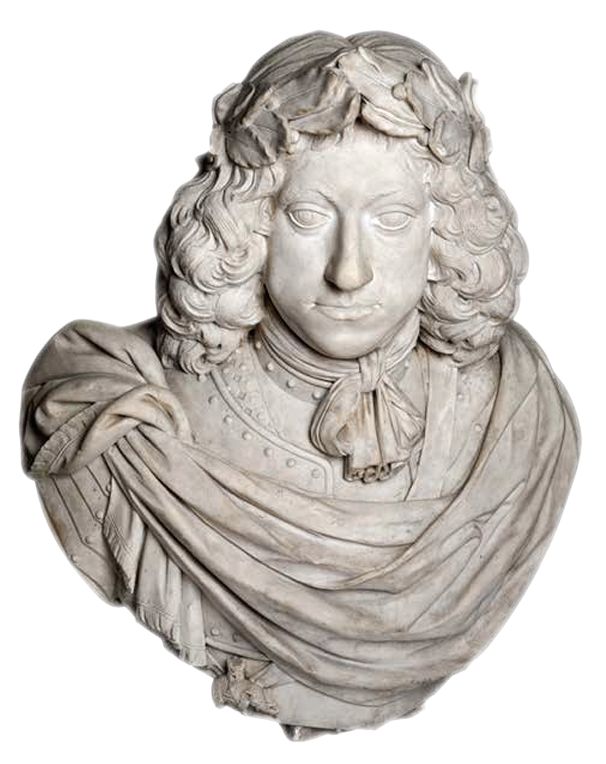
Ph.D. Daniel Johansen (Sverresborg Trøndelag Museum) examines how visual culture, architecture, and public monuments were deployed to stage monarchical authority in early modern Copenhagen. Drawing on his Ph.D. research Da makten fikk et ansikt and presentations at seminars in Copenhagen and Frederiksborg, Johansen traces the evolution of royal imagery from Christian IV’s allegorical portraits and proposed equestrian statues to Frederik III’s Roman-inspired busts marking absolutist rule.
The article highlights Christian V’s triumphal arch at Nørreport, the parish church of Our Saviour, and the first Nordic equestrian statue as milestones in the public personalization of monarchy, blending divine sanction, heroic virtues, and political propaganda.
Johansen further discusses the transition from heroic and virtuous representations to more practical, state-focused iconography under Christian VI, and the eventual cessation of public royal portraiture after Frederik V’s monumental Amalienborg square and equestrian statue established a lasting framework for monarchical visibility and prestige in Copenhagen’s urban landscape.
Downloads
Published
Issue
Section
License
Alle rettigheder forbeholdes. Man må downloade artikler til privat brug eller linke til artiklerne. Det er ikke tilladt at dele, gengive eller kopiere Herregårdshistorie eller dele af Herregårdshistorie mekanisk, fotografisk, digitalt eller på anden måde uden Gammel Estrup Danmarks Herregårdsmuseums skriftlige samtykke.
