
A European Legacy
Landscapes, Estates, and Manors in Northern Europe
Abstract
University of York professor Jonathan Finch’s paper examines how estate landscapes – including manor houses, farms, villages, and surrounding lands – shaped and were shaped by social, economic, and political developments across northern Europe from 1500 to 1900. The study emphasizes the centrality of land ownership as a source of wealth, power, and social influence, noting that estates were both economic units and markers of social hierarchy.
Finch highlights variations in land distribution, inheritance systems, and the ties between landowners and tenants. Primogeniture, partible inheritance, and fideikommiss systems affected the size and sustainability of estates, while marriage strategies and legal instruments helped consolidate landholding. Changes in power – through wars, reforms, or the rise of the gentry – also shaped both ownership patterns and the physical landscape.
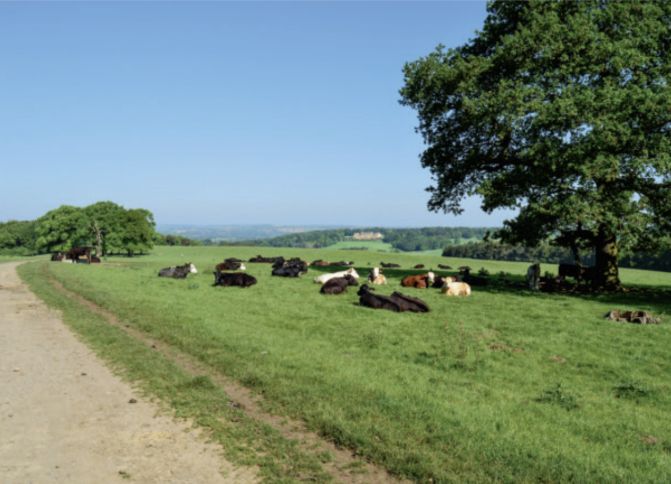
The paper details the estate as a cultural landscape, with the manor house at its core surrounded by service buildings, tenant farms, woodland, parkland, and gardens. Architectural styles, ornamental gardens, tree avenues, and worker cottages expressed the landowner’s authority, taste, and paternalistic role. Estates often incorporated industrial and agricultural innovations, such as sawmills, ironworks, and enclosures, reflecting the Enlightenment’s rationalist influence and the evolving economy.
Ultimately, Finch argues that estate landscapes were both products and instruments of social and economic power. Their structure, management, and aesthetics reveal the complex interplay between landownership, labor, and societal change, leaving a lasting imprint on northern Europe’s cultural and physical heritage.
Downloads
Published
Issue
Section
License
Alle rettigheder forbeholdes. Man må downloade artikler til privat brug eller linke til artiklerne. Det er ikke tilladt at dele, gengive eller kopiere Herregårdshistorie eller dele af Herregårdshistorie mekanisk, fotografisk, digitalt eller på anden måde uden Gammel Estrup Danmarks Herregårdsmuseums skriftlige samtykke.
