
Assassinations, Elections and Democracy – Ancient Athenian-Style
Abstract
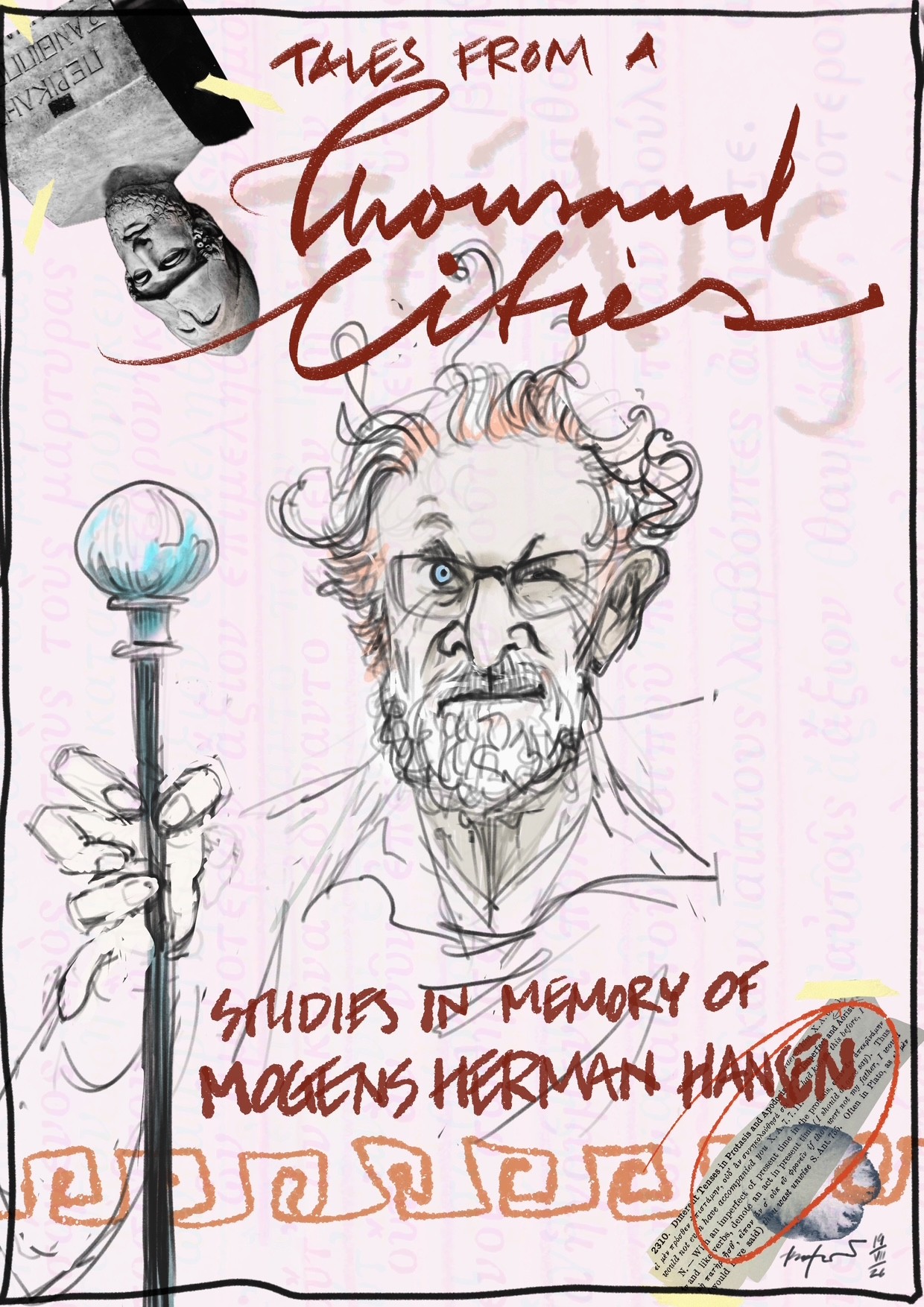
Assassination is never a pleasant theme to contemplate, but in some contexts historians are bound not just to contemplate it but also to factor it in as a crucial variable in trying to explain major political transformation. Such a context is offered by the history of Athens between c. 514 and 411 BCE. Within that span four transformational assassinations occurred, of Hipparchus, Ephialtes, Androcles and Phrynichus. They were variously motivated, but all had significant immediate or longterm impact on the Athenian narrative, in this case the narrative of the world's foundational democracy. The essay that follows seeks to pay due tribute to the memory of the great scholar – and friend – who did more than anyone to enrich and explain that narrative.
Downloads
Published
How to Cite
Issue
Section
License

This work is licensed under a Creative Commons Attribution 3.0 Unported License.
Authors who publish with this journal agree to the following terms:
- Authors retain copyright and grant the journal right of first publication with the work simultaneously licensed under a Creative Commons Attribution License that allows others to share the work with an acknowledgement of the work's authorship and initial publication in this journal.
- Authors are able to enter into separate, additional contractual arrangements for the non-exclusive distribution of the journal's published version of the work (e.g., post it to an institutional repository or publish it in a book), with an acknowledgement of its initial publication in this journal.
- Authors are permitted and encouraged to post their work online (e.g., in institutional repositories or on their website) prior to and during the submission process, as it can lead to productive exchanges, as well as earlier and greater citation of published work (see The Effect of Open Access).


