
Waterfowl hunters’ motivations and barriers to participation in a citizen science project
Article Sidebar
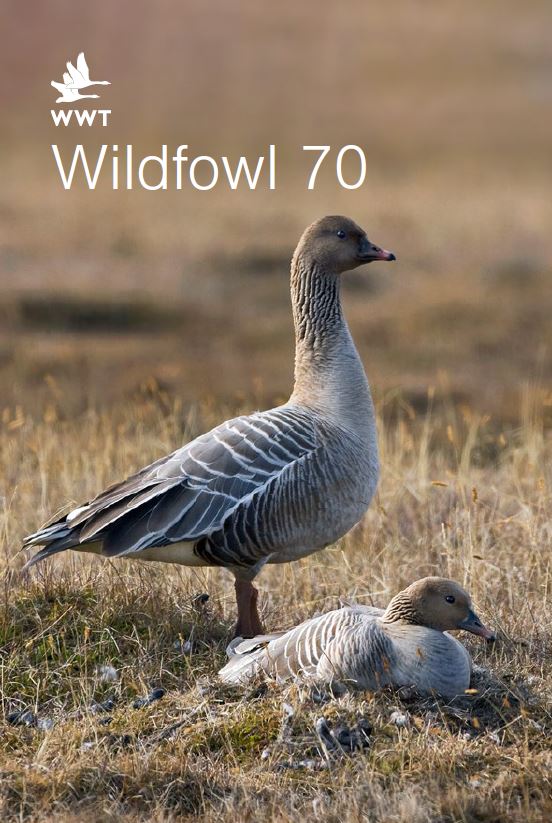
Main Article Content
Abstract
A citizen science project using hunters to provide information on waterbird demographics was recently restarted in the UK. Hunters were encouraged to submit one wing from each duck or goose that they had harvested during the hunting season, from which the species, sex and age of the birds were determined from plumage characteristics. With knowledge of bias and error in the wing sampling process, these data can be used to infer the age and sex ratios in the national bag, and potentially in their populations, for species included in the surveys. In order to ensure high participation levels, members of the UK’s largest hunting organisation – the British Association for Shooting and Conservation (BASC) – were surveyed to identify motivations for taking part, as well as any constraints preventing entry to the survey. Hunters who confirmed that they had contributed to the wing survey reported being motivated by selfless rewards such as “for the good of science and conservationâ€. When asked about future participation, however, hunters that cited extrinsic, reward-driven motivations such as “to protect my sport†were significantly more likely to report that they would take part in the future. The most commonly reported constraint was that species included the survey were not being harvested, but the next two most commonly reported constraints were a lack of storage space and inability to use or access shared domestic storage space. Results of this study will be used to tailor wing survey recruitment and reporting messages, in order to encourage greater recruitment and retention of survey participants.
Article Details
Articles in Wildfowl volumes 1-74 and in Wildfowl Special Issues 1-7 are not licensed under Creative Commons. In these volumes, all rights are reserved to the authors of the articles respectively.
The Wildfowl & Wetlands Trust (which published the journal from 1948–2020 inclusive) retains a royalty-free license in perpetuity to access and use pre-2021 issues for the purposes of research, which may involve sharing with research partners from time to time.
The copyright for this paper belongs to the Author(s). Papers published in Wildfowl 75 (in 2025) and subsequent issues are licensed under a Creative Commons Attribution-NonCommercial-ShareAlike 4.0 International License.
In the articles published in these volumes, all rights are reserved to the authors of the articles respectively. This implies that readers can download, read, and link to the articles, but they cannot republish the articles. Authors can upload their articles into an institutional repository.