
Publiceret 15.12.2024
Citation/Eksport
Resumé
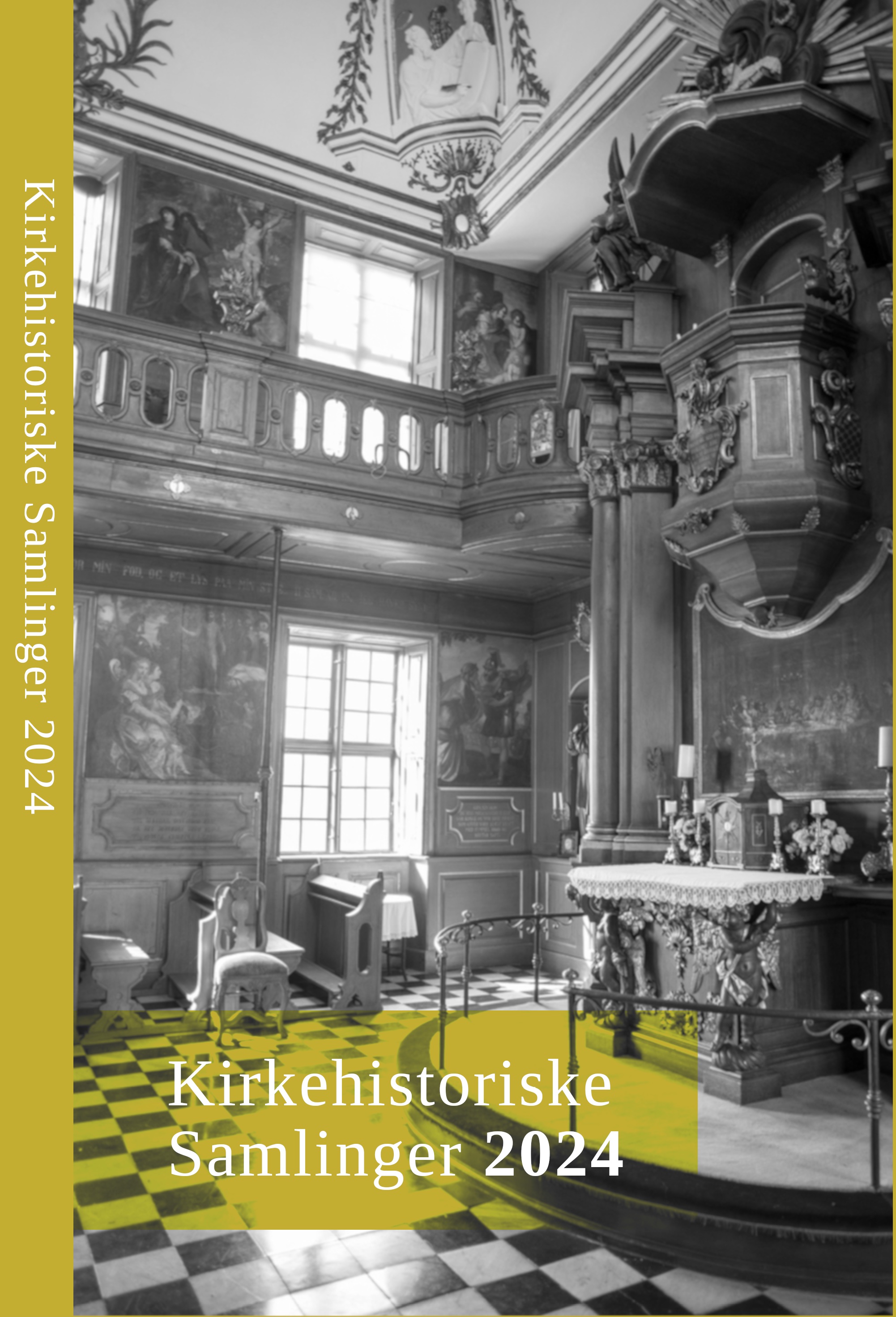
On November 1, 1910, Ledreborg Castle chapel was inaugurated as a Catholic chapel. Although officially presented as a quiet event, it garnered widespread attention from local newspapers nationwide, reflecting its perceived significance among political observers. The conservative newspaper Nationaltidende highlighted the inauguration as the resolution of a highly discussed matter, rooted in an 1898 agreement between former Bishop and conservative Cultus Minister H.V. Styhr and Count Ludvig HolsteinLedreborg, the owner of Ledreborg Castle. This agreement was formalized in a royal resolution on October 31, 1899, which decommissioned the chapel as a parish church, asserting that religious freedom made it inappropriate to compel Catholics to conduct Lutheran services in their own buildings. A key stipulation was that future Counts of Ledreborg would never use the chapel for Roman Catholic services.
In August 1909, Holstein-Ledreborg assumed the role of council president amid a political crisis, only to resign two months later following a vote of no confidence. Two days after delivering in his resignation, the mentioned restriction on the chapel was lifted by another royal resolution. Maurice Francis Egan, a close friend and former American envoy, later recounted that Holstein-Ledreborg had conditioned his acceptance of the council presidency on the chapel’s conversion to Catholic use. However, archival research has failed to find official documentation supporting this claim, leaving it as an anecdote without concrete evidence.
Existing historical literature on Holstein-Ledreborg’s brief tenure focuses primarily on his reluctant appointment, his role in passing defense laws, and his subsequent resignation, without addressing the chapel’s status change. This article examines public sources and historical records to assess the likelihood of Egan’s anecdote, suggesting that the timing of the chapel’s conversion may indicate a political reward, though definitive proof remains elusive. The case of Ledreborg Chapel thus serves as a lens to explore the interplay between religion and politics in early 20th-century Denmark.