
Ludvig Jacob Mendel Gude - fra landsbypræst til domprovst: Studier i det 19. århundredes kirkehistorie med særligt henblik på præsten, teologen og forfatteren L.J.M. Gudes yngre år (1820-ca.l870)
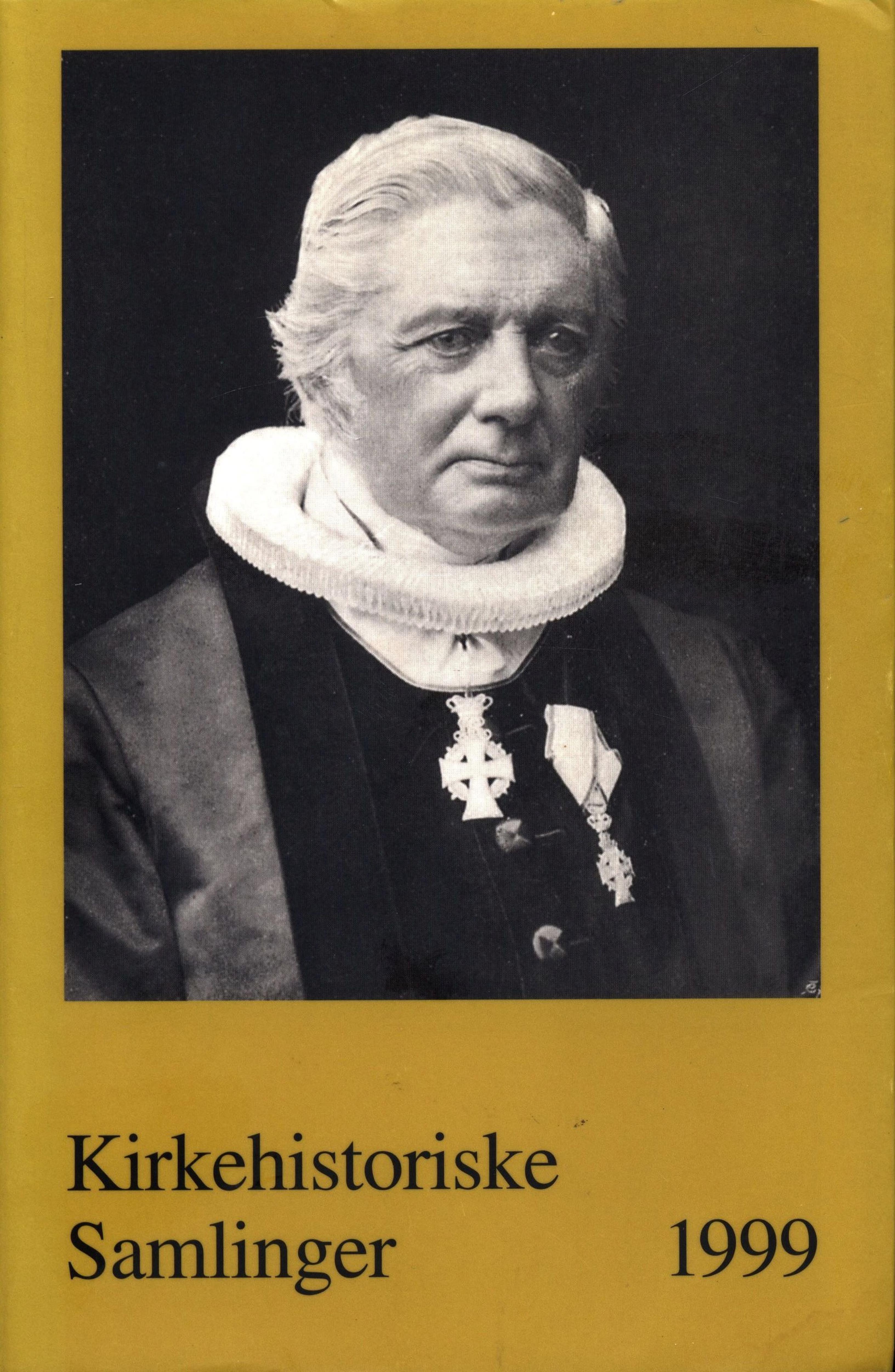
Publiceret 15.12.1999
Citation/Eksport
Copyright (c) 2024 Tidsskriftet Kirkehistoriske Samlinger

Dette værk er under følgende licens Creative Commons Navngivelse – Ingen bearbejdelser (by-nd).
Resumé
L.J.M. Gude (1820-1895) was a pupil of the famous Danish theologian and clergyman, Bishop H.L. Martensen, who for more than three decades was setting the fashion of the theology and church life in Denmark until the thoughts of N.F.S. Grundtvig took over in the end of the 19th century. The future Bishop Martensen was a teacher at the University of Copenhagen when Gude as a young student met him and was deeply influenced by his speculative theology for the rest of his life. Gude graduated from the Theological Faculty in 1844 and worked as a teacher of religion at a school in Copenhagen for four years until he was appointed vicar of the rural parish of Hunseby in the remote island of Lolland. During his time as a vicar in the countryside, Gude started a comprehensive authorship. His first greater work was a critical study on the famous Danish philosopher Søren Kierkegaard (1851). This study was followed in 1859 by a very extensive book on Irvingianism - a work which bears witness to Gude's academical ambitions. Gude rejects the theology and view on the church of the Irvingians, and Martensen fully approves his critical comments. Gude was a very eager defender of the teaching of religion amongst the youngsters and published several writings on the subject during the 1850s. He was an advocate of the so-called church catechisation which consisted of a dogmatical sermon followed by a sort of examination of the congregation in the church. In 1866, Gude was appointed Dean of Roskilde Cathedral and became a very influential preacher. As one of the first vicars in Denmark, he introduced a special church service on Christmas eve which became very popular. He became Doctor of Divinity in 1874 by a dissertation on the Holy Supper.